

TMJ Treatment in St. Charles, IL

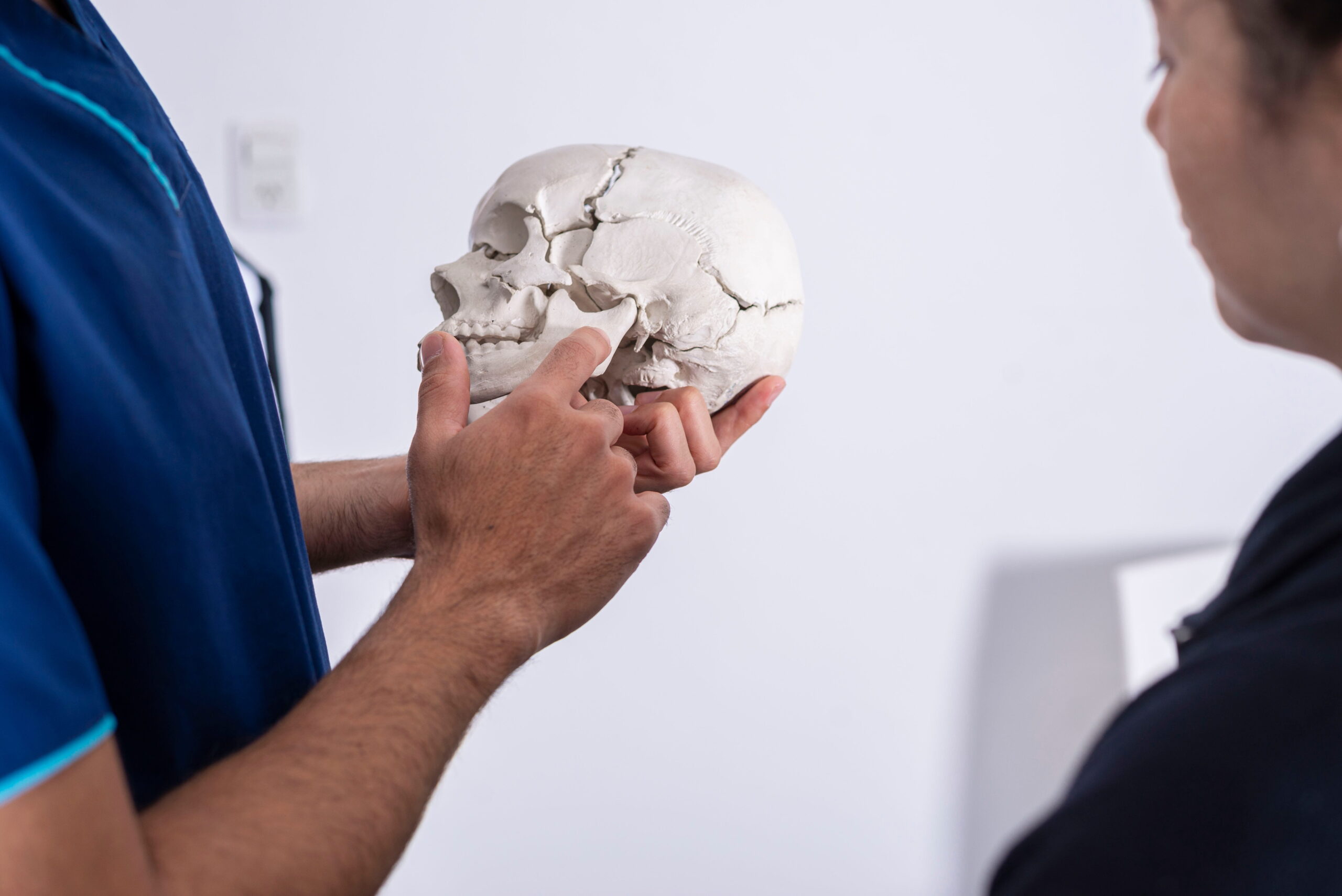
If your jaw clicks when you yawn, aches by dinnertime, or feels tight the moment you wake up, you’re probably wondering whether something is wrong with the joint itself. At Smile Haven Dental Studio, we help patients in St. Charles, IL figure out what’s behind that soreness and build a plan that actually eases it. Jaw pain creeps into everything, from how you chew to how well you sleep, and plenty of people put up with it for years because they aren’t sure who to ask. A dentist is a smart place to start, since the joint, the muscles that move it, and the way your teeth meet are all connected.
Care starts with a conversation and a careful look, not a quick fix. Your first visit can run up to 90 minutes, which gives Dr. Jackie time to hear when the pain shows up, what makes it worse, and whether you’ve noticed teeth grinding or jaw clenching. Filling out your history forms 48 hours ahead means we walk in already knowing the basics. From there, she checks how your jaw opens and closes, feels the chewing muscles for tenderness, listens for clicking, and studies where your teeth show wear. That bite evaluation matters because the same ache can come from overworked muscles, an irritated joint, or teeth that don’t meet evenly, and each one points toward different care. Most patients start with conservative steps that can be undone, and then we check in to see how the jaw responds.
Dr. Jackie’s advanced training through the Kois Center focuses on how teeth, joints, and muscles work together, which is exactly the lens jaw problems call for. She’s also a member of the American Academy of Facial Esthetics, so if overactive muscles are driving your pain, Botox or Xeomin can be part of the conversation in the same office where your custom nightguard gets made or further treatment. That guard matters more than most people expect. A drugstore version isn’t shaped to your bite, it can shift around at night, and it may put more strain on the joint, not less. Ours is designed to spread pressure evenly across your teeth. We also look at the bigger picture and try to get to the root of the problem instead of just prescribing a guard or botox to place a bandaind on the problem. If dental visits make you tense, tell us. We’ll take breaks, and you can watch something on the ceiling TVs while we work. Waiting rarely helps, either, since worn enamel and cracked fillings tend to pile up the longer clenching goes unchecked.

What Is TMJ Disorder, and Is It the Same as TMJ?
Not quite. TMJ is the joint itself, the temporomandibular joint that hinges your lower jaw to your skull just in front of each ear. TMJ disorder, often shortened to TMD, is the umbrella term for problems with that joint and the muscles around it. Most people say “I have TMJ” to mean the disorder, and that’s fine. The useful part is knowing that TMD isn’t one condition. It covers sore chewing muscles, inflammation inside the joint, and trouble with the small disc that cushions the joint as it glides. Which one you have shapes everything that comes next.
What Are the Most Common Signs of a TMJ Problem?
The most common signs are jaw soreness, clicking or popping, and trouble opening wide. These show up most often:
- Aching in the jaw, face, or temples, often worst in the morning or late in the day
- Clicking, popping, or a gritty sound when you open your mouth or chew
- A jaw that feels stiff, catches, or briefly locks open or closed
- Pain when biting into something hard or chewy
- Teeth that look flattened, chipped, or worn down
Painless clicking is common and often harmless. Pain, limited opening, or locking are worth having checked.
Can TMJ Cause Headaches, Ear Pain, or Neck Pain?
Yes. The chewing muscles attach at your temples, and the joint sits right beside the ear canal, so the pain often spreads to places that don’t feel like jaw problems at all. Tension headaches that start at the temples, ear fullness or aching with a normal ear exam, and tightness running into the neck and shoulders are all common with TMD. That overlap is why some people see several doctors before anyone checks their jaw. If an ear infection has been ruled out and your ears still hurt, your bite and jaw muscles deserve a closer look.

What Causes Jaw Pain and TMD?
Most cases trace back to muscles that work too hard, usually from clenching or grinding, though arthritis, injury, and bite problems play a part too. Common contributors include:
- Nighttime grinding or daytime clenching, which many people never notice
- Stress that settles into the jaw and face
- Arthritis or wear inside the joint
- A blow to the jaw, head, or neck
- Teeth that meet unevenly, forcing some muscles to overwork
Often it’s a chain reaction. Stress leads to clenching at night, the muscles get sore, and an uneven bite keeps them from settling down.
How Does a Dentist Diagnose TMJ Disorder?
A dentist diagnoses TMD with a hands-on exam, a detailed history, and a close look at your bite. No single test confirms it, so Dr. Jackie pieces it together: how far you open, whether your jaw drifts to one side, which muscles are tender, and what the joint sounds like. Your answers count just as much, like whether you wake up sore or a partner has heard you grinding. Muscle pain and joint inflammation can feel nearly identical, and telling them apart keeps treatment aimed at the right problem. A few joint conditions need a medical or surgical specialist, and if yours does, we’ll say so plainly.
What TMJ Treatment Options Are Available?
Most people find jaw pain relief with care that doesn’t permanently change the teeth or joint. Starting with conservative, reversible approaches to TMD is the widely recommended first step, and it’s how we approach jaw pain as part of our general and family dentistry care. Your plan may include:
- A custom nightguard that cushions your teeth and takes pressure off the joint during sleep
- Botox or Xeomin to relax overactive chewing muscles
- A deprogrammer to get to the root of the problem to determine if it is truly TMD or is this another problem like a tooth position problem
- Home habits like softer foods, gentle stretching, and heat on tight muscles
- Repairing teeth that grinding has damaged
Can a Custom Nightguard Help with Jaw Pain?
Yes, and for many people it’s the best first step. Worn while you sleep, a guard puts a cushion between your upper and lower teeth, so grinding wears on the appliance instead of your enamel. Its shape also spreads biting pressure evenly, so the joint and muscles aren’t absorbing it all in one spot. Fit is everything. Boil-and-bite guards slide around overnight and can leave the joint sorer than before. We build ours from impressions or digital scans of your teeth and adjust them until your bite feels balanced. Here’s more on how we make custom nightguards and other dental guards.
When Is Botox a Better Fit Than a Nightguard for TMJ?
TMJ Botox tends to be the better fit when the pain comes mostly from overworked chewing muscles, especially if a guard alone hasn’t brought enough relief. A nightguard protects your teeth and joint from the force of grinding, but it doesn’t reduce that force. Botox or Xeomin does. A small, precise dose relaxes the masseter and surrounding muscles so they can’t clench as hard, which can ease soreness and tension headaches. Results last for months, so it’s ongoing care, often paired with a guard. You can read about how dental Botox and Xeomin work for jaw tension.
Does TMJ Go Away on Its Own?
Sometimes. Mild soreness after a stressful week often settles within a couple of weeks. Long-standing TMD is different, especially when grinding reloads the muscles every night. Until you’re seen, these steps help:
- Choose softer foods and skip gum, tough meats, and big bites
- Use moist heat on tight muscles
- Keep your teeth slightly apart and your jaw relaxed during the day
- Stop resting your chin on your hand or cradling a phone on your shoulder
If pain lasts beyond two weeks, keeps returning, or your jaw locks, schedule an evaluation, since quiet grinding can chip teeth long before the pain gets bad.
How Much Does TMJ Treatment Cost?
Cost depends on what’s causing your jaw pain, so there’s no single price. A custom nightguard is a one-time appliance, while Botox or Xeomin is priced by the number of units your muscles need and repeated every few months. After your evaluation, we’ll go over exact numbers before anything begins. We’re in network with most PPO plans, and patients without insurance can use our membership plan. Cherry and CareCredit financing are available too, and Botox patients can earn and redeem Alle points or scan our in-office QR code for savings.
Why Choose Smile Haven Dental Studio for TMJ Treatment
Patients come to us because we find the cause first and have more than one way to treat it:
- Advanced Kois Center training centered on how the bite, joints, and muscles function together
- Membership in the American Academy of Facial Esthetics, which supports injectable care for jaw tension
- First appointments of up to 90 minutes, so your symptoms get a real hearing
- Custom-made guards instead of one-size-fits-all options
- A calm office with ceiling TVs and a team that’s patient with nervous visitors
Get to know Dr. Jackie Hassenplug and her approach, or browse our full range of dental services.

Find Real Relief for Your Jaw at Smile Haven Dental Studio
––––––––––––––––––––––––––––––––––––––––––––––––––––––––––––––––––––
A jaw that clicks, aches, or locks doesn’t have to be your normal. Smile Haven Dental Studio offers TMJ treatment in St. Charles, IL that starts with listening, then finds out whether your muscles, joint, or bite is behind the pain before recommending anything. You’ll hear about conservative options first, with time built in for your questions. Request your TMJ evaluation or call 630-524-4252, and let’s get your jaw feeling like itself again.

From routine care to advanced cosmetic solutions
Find the Perfect Treatment for Your Smile
